Cinematic Shooting Techniques
Lighting theory in filmmaking is all about using light to shape mood, direct attention, and enhance storytelling. It’s not just about visibility—it’s about emotion, depth, and drama.
As much as possible, we need to ensure we strike the correct balance of light for our scene to balance quality (with minimal digital noise/artefacts) and tonal intention. We will briefly talk about some lighting theory; however, lighting is in itself a specialist skill set that can involve some calculations and understanding of reflection, refraction and fall off on a variety of subjects and environments.
Core Principles of Lighting Theory
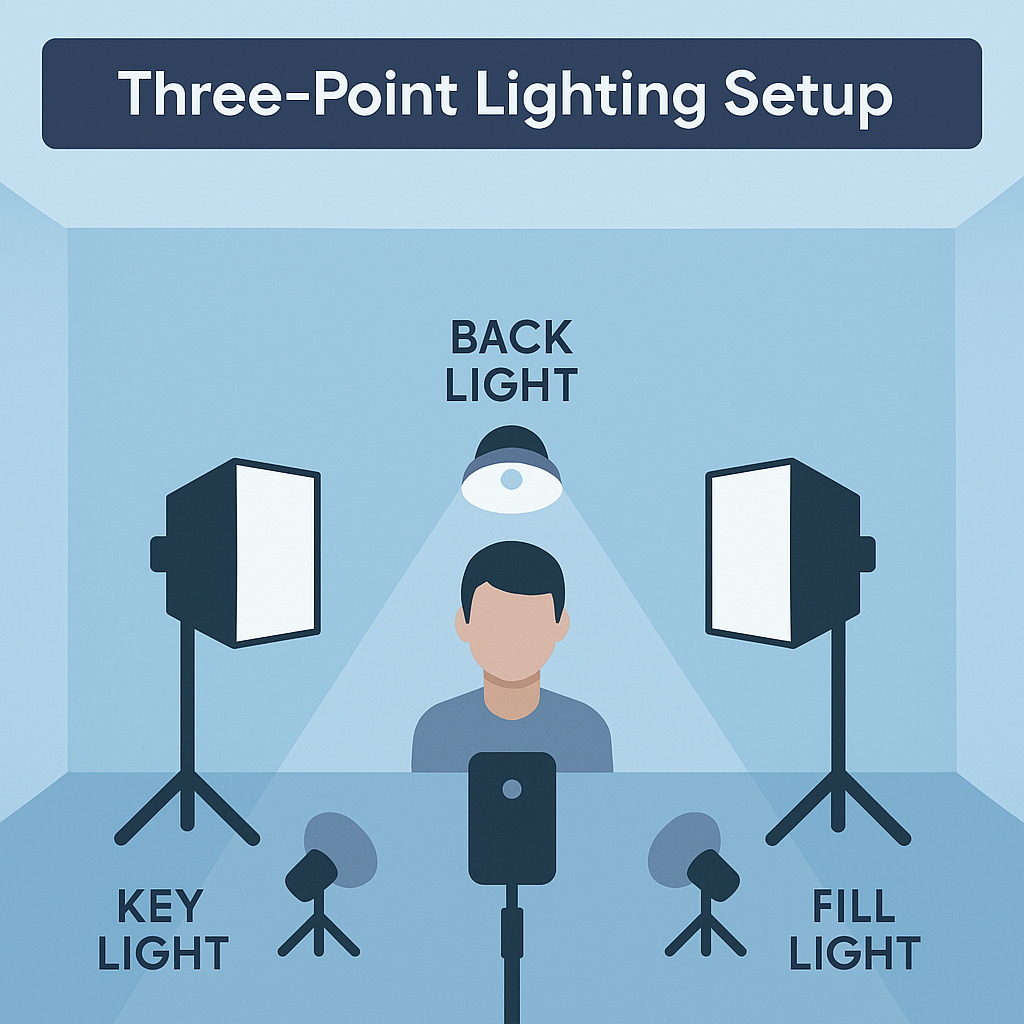
1. Three-Point Lighting
The foundation of most film lighting setups:
Key Light: The main source of illumination, usually placed at an angle to create depth and shadow.
Fill Light: Softens shadows created by the key light, placed opposite the key.
Back Light: Separates the subject from the background, adding dimension and a sense of realism.
2. Quality of Light
Hard Light: Creates sharp shadows and high contrast. Often used for dramatic or intense scenes.
Soft Light: Produces gentle shadows and smooth transitions. Ideal for romantic or naturalistic scenes.
3. Lighting Ratios
The contrast between key and fill lights:
High Contrast (Low-Key Lighting): Used in thrillers and noir to create mystery and tension.
Low Contrast (High-Key Lighting): Common in comedies and dramas for a bright, even look.
4. Colour Temperature
Measured in Kelvin (K):
Warm Light (Tungsten, ~3200K): Feels cosy or nostalgic.
Cool Light (Daylight, ~5600K): Feels clinical, modern, or natural depending on context.
Natural Lighting Sunlight, moonlight, fire—used for realism and spontaneity
Artificial Lighting Controlled sources like LEDs, HMIs, or tungsten bulbs
Ambient Lighting Uncontrolled light already present in the location (e.g., neon signs)
Practical Lighting Light sources visible in the frame (lamps, candles)
Motivated Lighting Mimics a natural source (e.g., simulating sunlight through a window)
Chiaroscuro Strong contrast between light and dark—used for dramatic effect
Practical Tips for Filmmakers
Scout locations at different times of day to understand natural light.
Use bounce cards and flags to shape light without expensive gear.
Always consider the emotional tone of the scene before choosing your lighting setup.
ND Filters
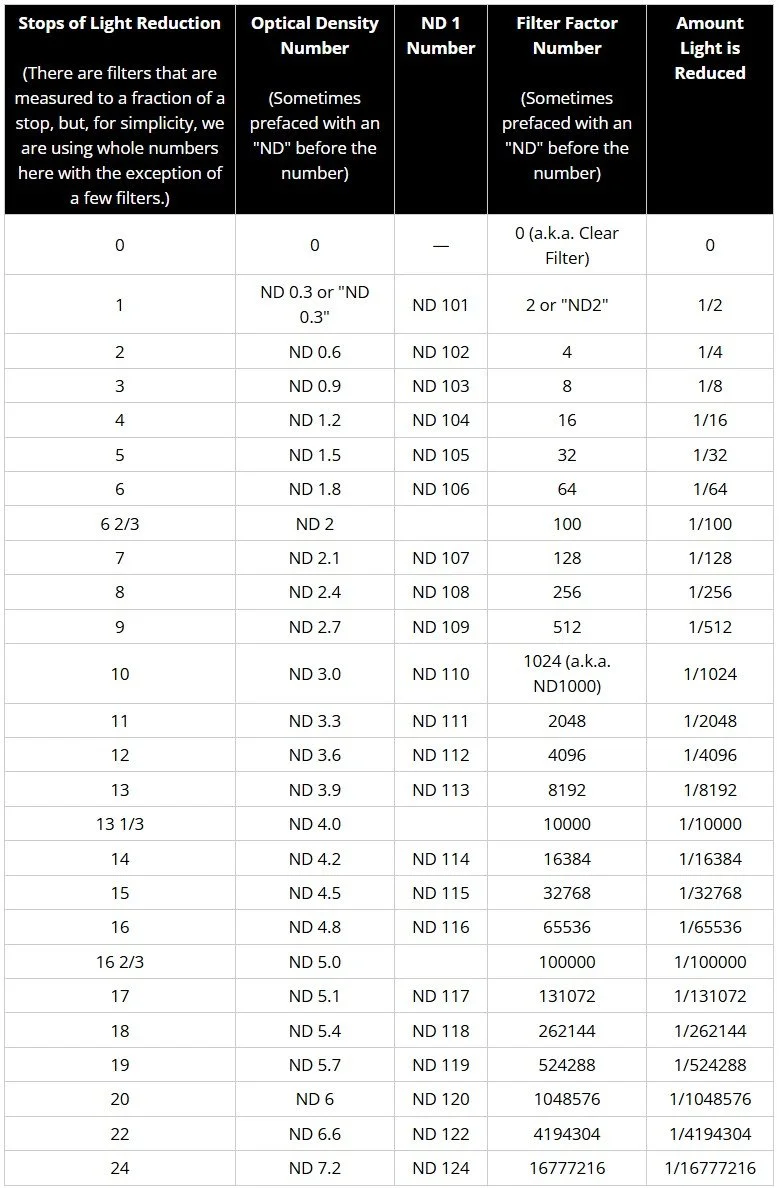
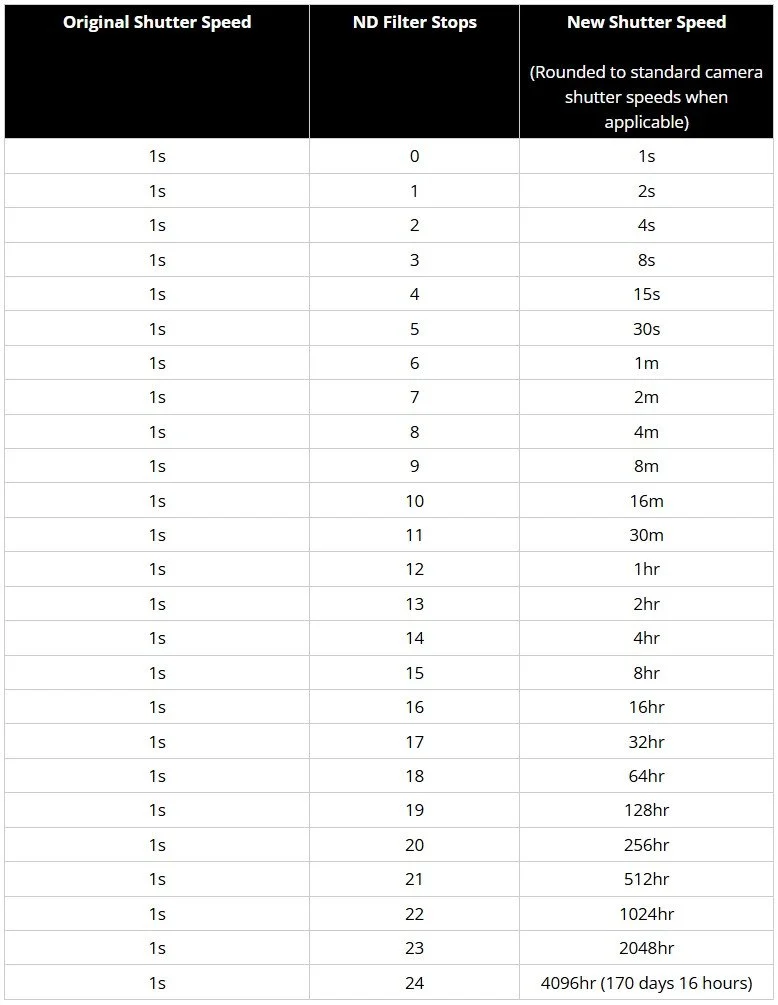
ND filters—short for Neutral Density filters—are like sunglasses for your camera. They reduce the amount of light entering the lens without affecting colour, allowing filmmakers to control exposure and achieve cinematic effects even in bright conditions.
Fixed ND Blocks a set amount of light (e.g., ND2, ND8). Controlled lighting environments
Variable ND (VND) Adjustable darkness via rotating filter. Run-and-gun filmmaking outdoors
Graduated ND Darkens part of the frame (e.g., sky). Landscape shots