Introduction
Motion capture by its very name is the process of capturing the motion of object typically organic but not limited to with the view to use this data to animate a character or be used for analysis and reference. Everyone moves differently based on height, weight, physicality and environment as such motion capture is a great way to capture a beings behaviour and traits or inhabit someone else’s.
In this section we will explore the history of Motion capture and how its ties to animation have developed as it is important to understand where the foundations of any technology or process come from to better understands its future and viability.
History of Motion Capture
The history of motion capture is tied to the history of rotoscoping as the action of segmenting the actor from the background and translating its position into a different composition or inhabitation of a different character is pivotal to its development.
Early Rotoscoping - 1915: The Fleischer Brothers
In 1915 Max Fleischer patented the rotoscope a device that projected live action footage onto a drawing service allowing for the tracing of human movement frame by frame. The performance was done by his brother Dave Fleischer and used to create the movement that became Koko the Clown. This was not motion capture in modern sense but it was the ground work and principles that would be set for what would used for animated characters.
Origins - 1970-80s: Optical Motion Capture
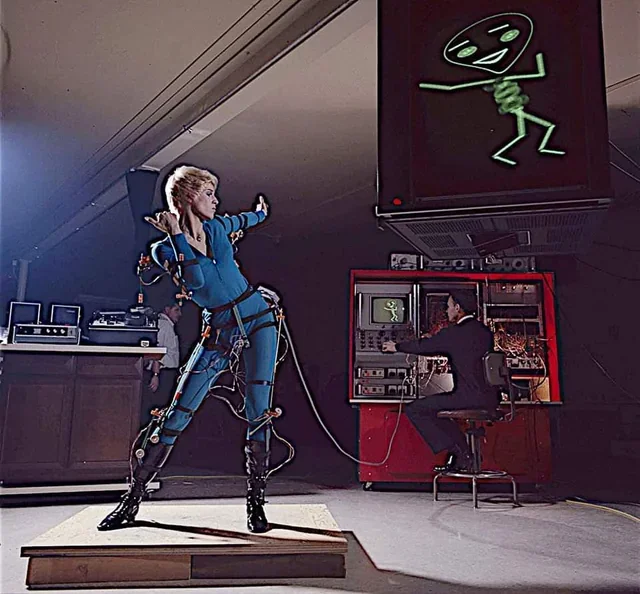
Whilst rotoscoping was the foundations of looking at motion it was very much based of what was seen and manual. It wouldn’t be until 1970s and early 80s whereby researchers would start to quantify human movement for medical rehabilitation and analysis where more scientific means and accuracy were required. This led to the creation of the first optical based tracking systems that used reflective markers attached to key body points tracked by cameras that measured the time it took for light to reflect back into the sensors to calculate where each point was in 3D space from multiple 2D viewpoints. These systems were expensive and bulky but were the start for many motion capture systems we use today.

Refinement of Rotoscoping - 1937: Snow White
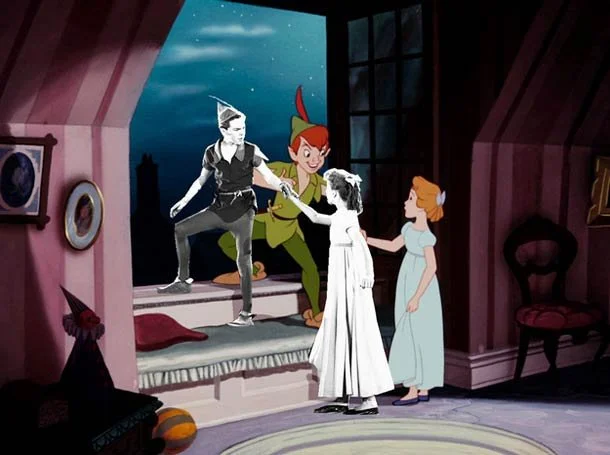
The Roto process was refined further in 1937 whereby Disney instead of just using rotoscoping for tracing of motion started to further explore how weight, gait and the timing of motion worked on human actors and how this translated to animated characters.